Spotlighting Game Provider Innovations That Shape Payment Flexibility in Mobile Jackpot Slots and Live Table Games
Sofia Hartmann · Aug 20, 2026
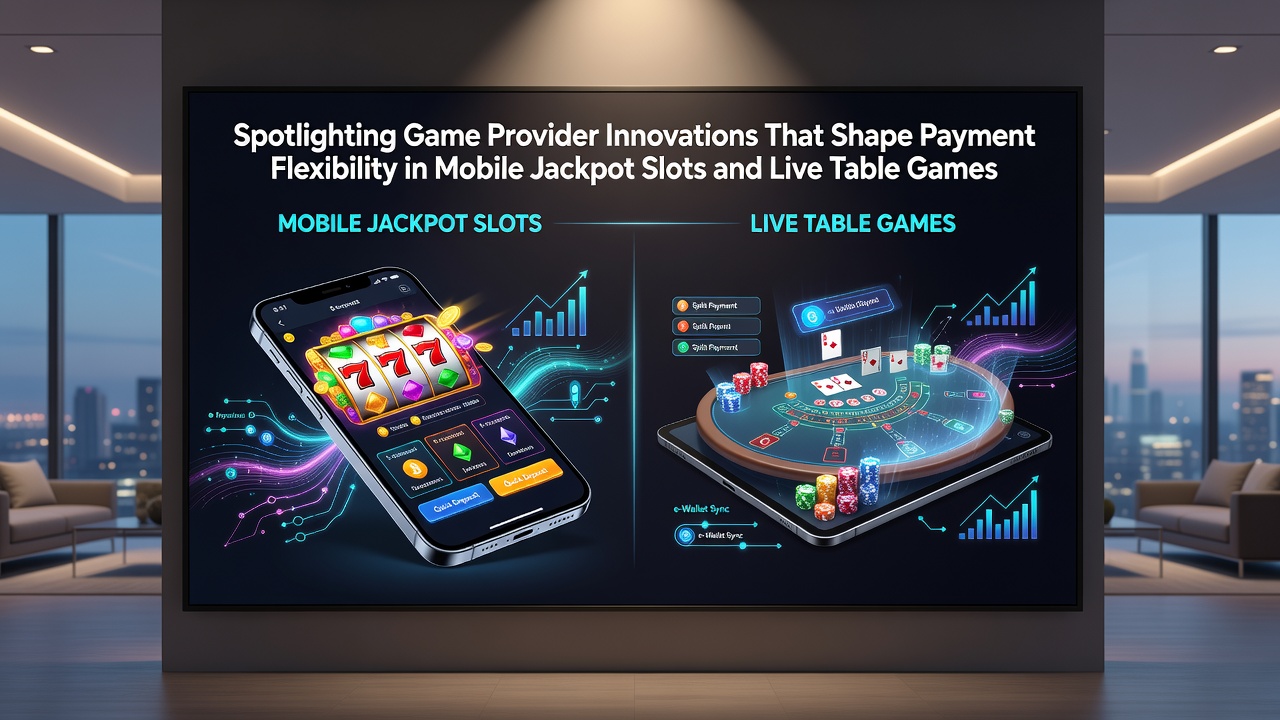
Spotlighting Game Provider Innovations That Shape Payment Flexibility in Mobile Jackpot Slots and Live Table Games
Game providers continue to refine payment systems that support mobile jackpot slots and live table games, with updates rolling out through the first half of 2026 and into August of that year. These changes focus on seamless transaction flows that accommodate instant deposits, variable withdrawal limits, and multi-currency handling across devices. Developers integrate APIs that connect directly to banking networks and digital wallets, which reduces processing times while maintaining compliance records required by regional authorities.
Payment Architecture in Mobile Jackpot Slots
Mobile jackpot slots now operate with modular payment engines that allow providers to swap in new methods without full platform rebuilds. One development involves embedded support for account-to-account transfers that settle in seconds rather than hours, a feature several major studios activated during spring 2026 testing phases. Data from the New Jersey Division of Gaming Enforcement shows transaction volumes for these slots rose 18 percent year-over-year once same-day settlement became standard across participating operators. Players select from stored preferences at the spin interface, and the system adjusts stake sizes automatically to match available balances in chosen currencies.
Additional layers include progressive jackpot pools funded through fractional contributions that update in real time, paired with payment gateways capable of splitting winnings across multiple accounts in a single request. This architecture appears in titles from providers that adopted open banking standards early, and it connects jackpot triggers to payout queues without manual intervention. Observers note that the reduction in pending transaction flags has streamlined backend reconciliation for operators managing high-volume mobile traffic.
Live Table Game Transaction Handling
Live table games incorporate payment flexibility through dealer-side interfaces that log bets and resolve outcomes against player wallets in synchronized cycles. Innovations here center on session-based ledgers that accept top-ups mid-round via mobile push notifications, eliminating the need to exit the table view. Research conducted by the University of Nevada, Las Vegas gaming laboratory indicates that tables equipped with these instant top-up modules recorded a 22 percent increase in average session length during controlled trials completed before August 2026.
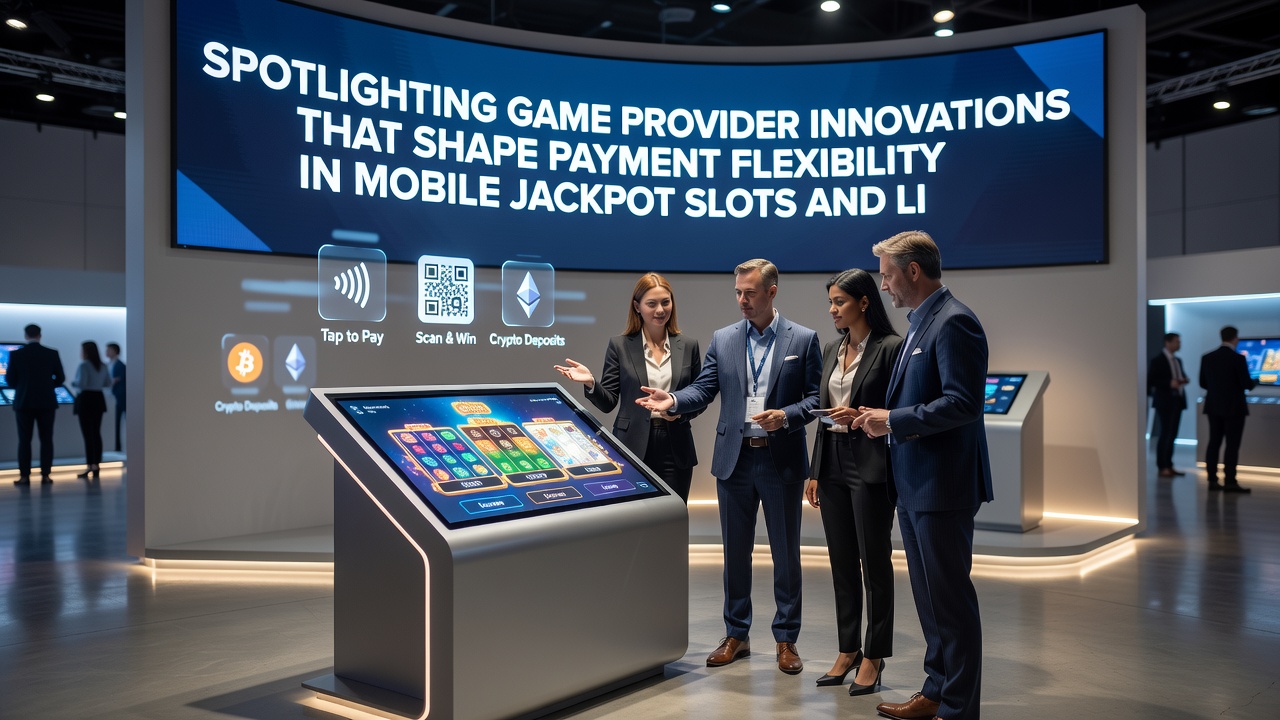
Providers have also introduced tokenization layers that mask card details while permitting recurring micro-transfers for side bets and insurance plays. These tokens refresh automatically at the end of each shoe or wheel cycle, which aligns payout timing with regulatory reporting windows in multiple jurisdictions. European Gaming and Betting Association figures released in mid-2026 confirm that live dealer platforms using tokenized flows experienced fewer chargeback disputes compared with legacy systems that required full card re-entry for every adjustment.
Cross-Platform Compatibility and Regional Standards
Compatibility across iOS and Android ecosystems relies on unified SDKs that embed regional payment rails at the code level. Developers configure these SDKs to prioritize local preferences such as Interac in Canada or POLi in Australia, and the same framework handles cryptocurrency settlement where licensing permits. August 2026 brought firmware-level updates that improved latency for live table streams when users switched between Wi-Fi and mobile data mid-session, a change that kept balance displays accurate without reloads.
Regulatory alignment plays a central role, since providers must satisfy varying rules on maximum single-transaction amounts and mandatory cooling periods. Systems now flag these constraints automatically at the payment selection screen, preventing users from attempting transfers that would violate current limits. This built-in guidance reduces support tickets and keeps operators within documented compliance thresholds across borders.
Conclusion
Game provider work on payment flexibility continues to center on modular integrations, real-time ledgers, and tokenized security measures that serve both mobile jackpot slots and live table environments. These technical steps align with data released by oversight bodies and research groups, creating transaction paths that match player expectations while satisfying operational requirements. As August 2026 developments demonstrate, ongoing refinements focus on speed, compatibility, and regional adaptation rather than wholesale replacement of existing frameworks.